

Leukocytosis, the medical term for a high white blood cell count, typically indicates that the immune system is actively responding to an infection, chronic inflammation, or significant physical stress. On a routine CBC blood test performed in the United States, a result exceeding 11,000 cells per microliter (mcL) is generally flagged as high. While bacterial infections are the most frequent trigger, elevated levels can also result from lifestyle factors like smoking, medication side effects such as corticosteroids, pregnancy, or in rarer cases, underlying bone marrow disorders like leukemia.
Table of Contents
You log into your patient portal. The screen loads, and you scroll past the glucose and cholesterol numbers until you hit a value flagged in bold red. Your white blood cell count is high. For many patients, this moment triggers immediate anxiety. The mind naturally jumps to the worst-case scenarios found on medical search engines. However, raw numbers on a screen rarely tell the full story without the proper clinical context.
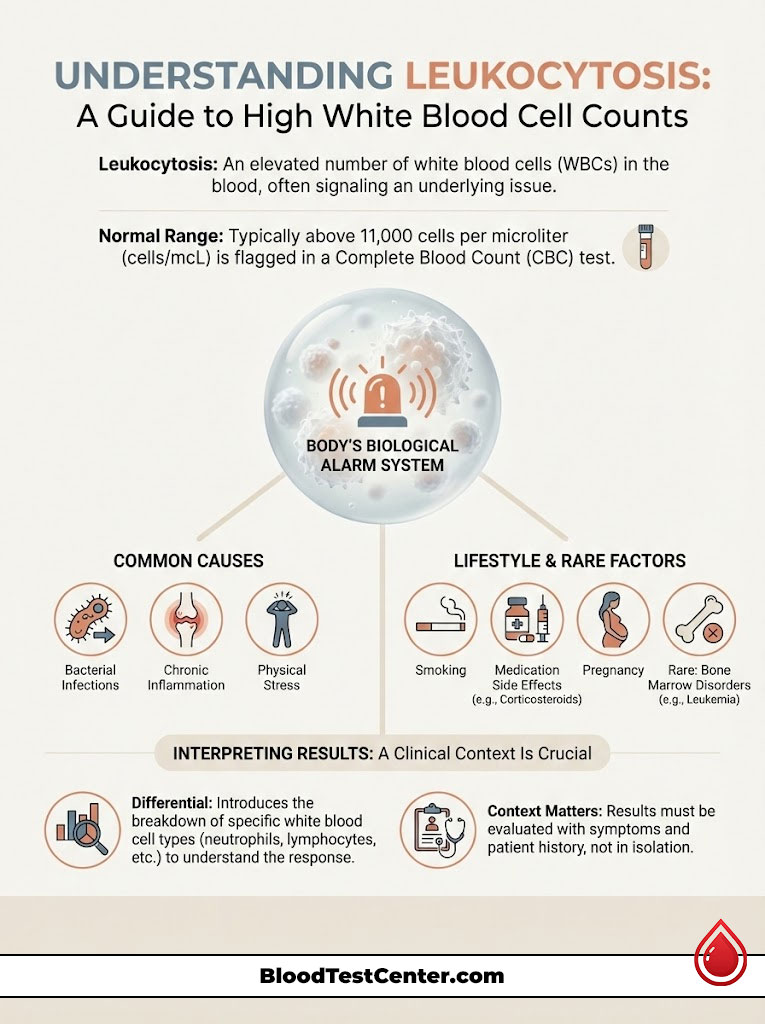
A high white blood cell count acts as your body’s biological alarm system. It is rarely a diagnosis of a specific disease in itself. Instead, it is a functional signal that your bone marrow is deploying troops to handle a specific situation. That situation could be as simple as the physiological stress from a morning run, as complex as a hidden bacterial infection, or even a side effect of the allergy medication you took yesterday.
This comprehensive guide breaks down exactly what those numbers indicate. We will look beyond the total count and explore the “differential,” which reveals the specific type of cells involved. Whether you are dealing with a minor immune system response or need to consult a hematologist for persistent leukocytosis, this analysis covers the medical realities behind the data found in standard lab reports from providers like Quest Diagnostics and LabCorp.
Understanding White Blood Cell Function and Production in Bone Marrow
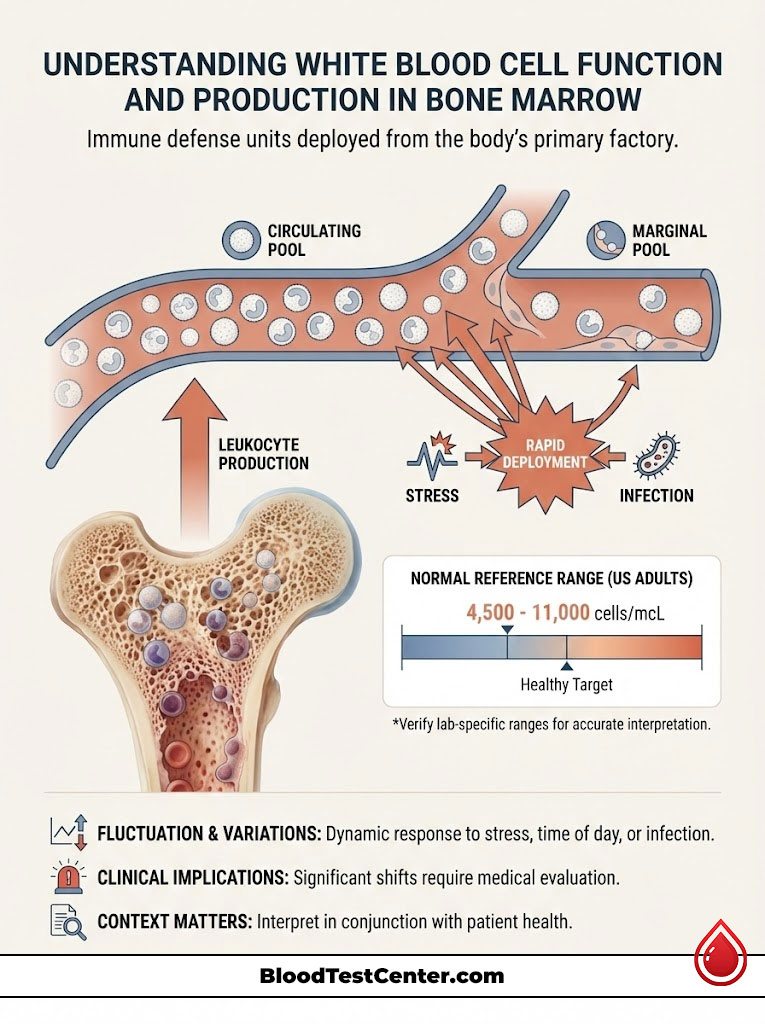
To interpret why your levels are elevated, you must first understand the biological machinery behind them. White blood cells, scientifically known as leukocytes, are the mobile defense units of your immune system. They are produced in the bone marrow, the spongy tissue inside your bones, and circulate in your blood and lymphatic system hunting for foreign invaders like viruses, bacteria, fungi, and parasites.
The Role of Leukocytes in Immune Defense Mechanisms
Your body does not keep all its soldiers on the front lines at once. There are two primary “pools” of white blood cells. The “circulating pool” consists of the cells moving freely in your blood. This is what the CBC blood test measures. The “marginal pool” consists of cells sticking to the walls of your blood vessels, waiting for a specific signal.
When you experience sudden stress, physical trauma, or acute infection, these marginal cells detach and enter the bloodstream immediately. This rapid deployment causes a sudden spike in your count. This mechanism explains why a high white blood cell count can appear within hours of an injury or illness onset. It is not necessarily that your body made more cells instantly, but rather that it moved existing cells into the fight.
Defining the Normal Reference Range for US Adults
In the United States, laboratory standards can vary slightly based on the equipment used. However, the general consensus for a normal WBC range in a healthy adult is 4,500 to 11,000 cells per microliter (mcL).
It is crucial to understand that these ranges are bell curves. If your count is 11,500 mcL, it is technically flagged as leukocytosis, but it may not be clinically significant without other symptoms. Conversely, a count of 30,000 mcL is almost always a sign of a significant medical event. It is vital to verify the specific reference range provided by your lab. Mayo Clinic, Cleveland Clinic, and other major institutions may have slight variations in their upper limits, sometimes capping “normal” at 10,500 mcL or extending it to 11,000 mcL.
Decoding the Numbers: When is a High White Blood Cell Count Dangerous?
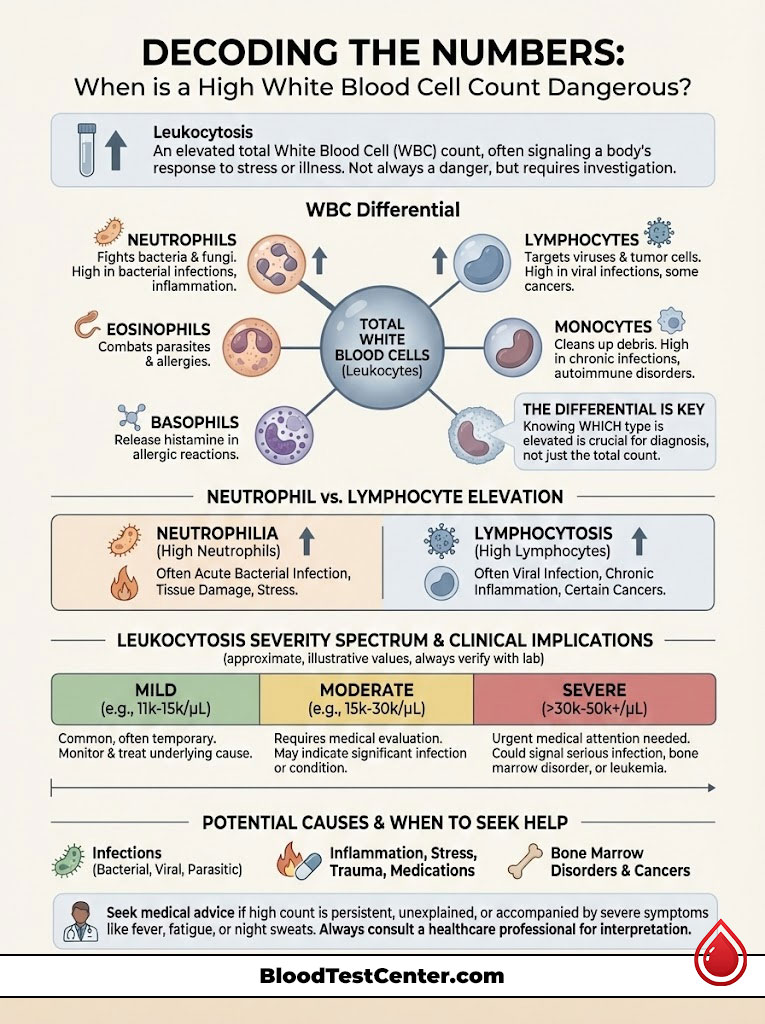
Not all elevated white blood cell counts are created equal. Physicians categorize leukocytosis based on severity to determine the urgency of the medical response.
Mild vs. Moderate vs. Severe Leukocytosis Levels
- Mild Elevation (11,000 – 17,000 mcL): This is the most common scenario seen in primary care. It is frequently caused by smoking, mild infections, emotional stress, or medications like steroids. If you are asymptomatic, doctors often recommend a “watch and wait” approach with a repeat CBC blood test in two to four weeks.
- Moderate Elevation (17,000 – 30,000 mcL): This range usually indicates a significant biological event. It is often seen with active infections such as pneumonia, appendicitis, or a severe inflammatory response. It demands immediate clinical investigation to find the source.
- Severe or Critical Elevation (>50,000 mcL): Counts this high are alarming. They can suggest a leukemoid reaction, which is an extreme response to infection, or a malignancy like leukemia. A count over 100,000 mcL is a medical emergency due to the risk of hyperviscosity, where the blood becomes too thick to flow properly to the brain and lungs.
The Critical Role of the WBC Differential
The total number is just the headline. The WBC differential is the detailed story. A routine blood test often includes a “diff,” which breaks down the percentage of each of the five types of white blood cells. Identifying which specific cell type is high is the key to accurate diagnosis. For instance, a high total count driven by neutrophils suggests something very different than a high count driven by lymphocytes.
Comparative Breakdown of WBC Types and Their Clinical Meanings
The following table breaks down the five types of leukocytes. Use this to interpret the specific subsets on your CBC blood test results.
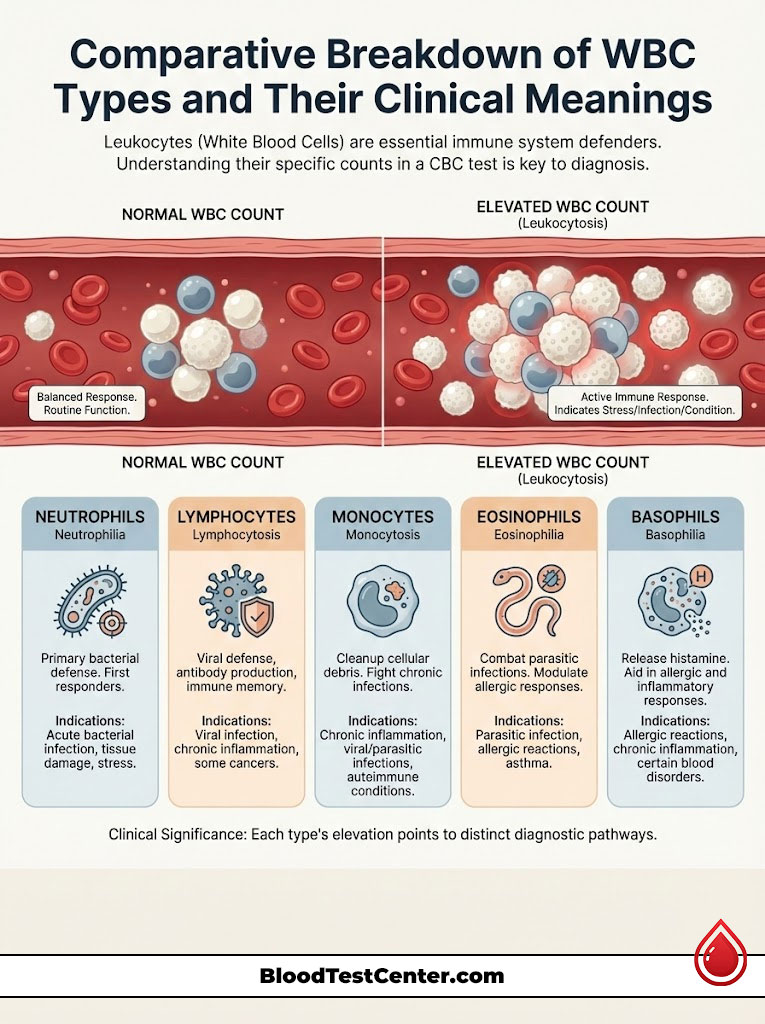
| Cell Type | Medical Term for High Count | Primary Function | Common Indication of Elevation |
| Neutrophils | Neutrophilia | First responders that fight bacteria and fungi. | Bacterial infection, physical stress, sudden trauma, burns, heart attack. |
| Lymphocytes | Lymphocytosis | Create antibodies and destroy virus-infected cells. | Viral infections (Flu, Mono, Hepatitis), chronic swelling, lymphatic leukemia. |
| Monocytes | Monocytosis | Clean up dead cells and debris; fight chronic germs. | Chronic infections (Tuberculosis), autoimmune disorders, recovery phase of acute infection. |
| Eosinophils | Eosinophilia | Attack parasites and control allergic inflammation. | Allergic reactions, asthma, parasitic infection, drug reactions. |
| Basophils | Basophilia | Release histamine during inflammatory reactions. | Rare allergic reactions, specific bone marrow diseases like Myelofibrosis. |
Primary Clinical Causes of High White Blood Cell Counts
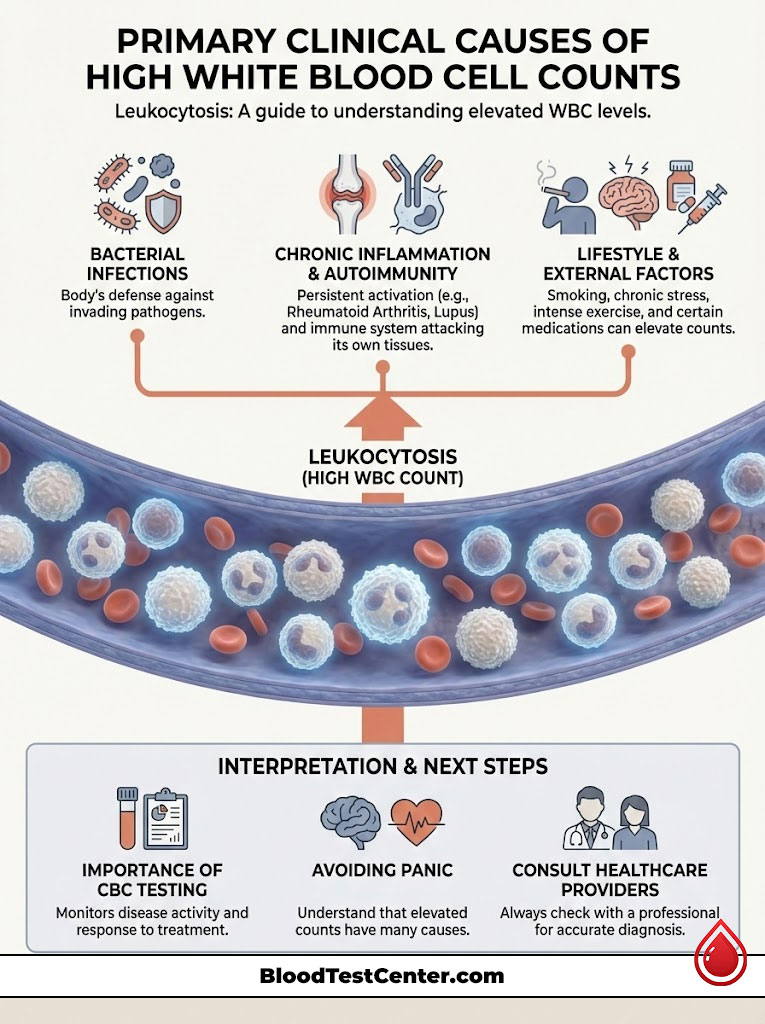
When patients ask, “What do high white blood cell counts indicate?”, the answer usually falls into one of four specific categories. Understanding these buckets can help you avoid unnecessary panic.
Bacterial Infections and Acute Illness Triggers
The most frequent cause of leukocytosis is the body fighting back against a pathogen.
- Bacterial Infection: Conditions like urinary tract infections (UTIs), pneumonia, or diverticulitis trigger the bone marrow to release massive amounts of neutrophils. Physicians often look for a “left shift” on the lab report. This term means the body is releasing immature neutrophils, called “bands,” because it cannot produce mature cells fast enough to keep up with the infection.
- Viral Infection: Influenza, COVID-19, or mononucleosis typically cause lymphocytosis. Interestingly, in some viral cases, the total WBC count might actually drop initially before rising during the recovery phase.
- Sepsis: In severe cases where an infection enters the bloodstream, the WBC count can spike dramatically. Alternatively, in a sign of immune failure known as overwhelming sepsis, the count may drop dangerously low.
Chronic Inflammation and Autoimmune Disease Markers
Your immune system can sometimes become confused and attack your own tissues. Conditions such as Rheumatoid Arthritis, Lupus, Inflammatory Bowel Disease (IBD), and vasculitis keep the body in a state of perpetual “war.” This results in chronic leukocytosis and monocytosis. The CBC blood test in these patients acts as a monitor for disease activity. Higher numbers often mean a flare-up of the condition is occurring or imminent.
Lifestyle Factors: Smoking, Stress, and Physical Exercise
You do not have to be sick to have a high white blood cell count. Lifestyle choices play a massive role in your baseline numbers.
- Smoker’s Leukocytosis: This is a massive factor that is often overlooked. Chronic smokers consistently have a baseline WBC count that is 20% to 30% higher than non-smokers. The lungs are in a state of constant irritation from smoke inhalation, leading to persistent neutrophilia. Physicians often correct for this when interpreting results for smokers to avoid false alarms.
- Stress Leukocytosis: Extreme emotional or physical stress causes the release of cortisol and adrenaline. These hormones force white blood cells to detach from blood vessel walls and enter circulation. This “demargination” can double the WBC count within minutes. This is why a panicked patient in the Emergency Room might have a high count even if they are not infected.
- Exercise-Induced Elevation: A rigorous workout immediately before a blood draw can cause a temporary spike. This is known as “physiologic leukocytosis” and usually resolves within hours of resting.
Medication-Induced Leukocytosis and Drug Side Effects
Before assuming an infection is present, it is essential to check your medicine cabinet.
- Corticosteroids: Drugs like Prednisone are famous for causing neutrophilia. They work by preventing neutrophils from leaving the bloodstream to enter tissues. This causes them to accumulate in the blood, leading to a higher count on paper.
- Lithium: Often used for mood disorders, lithium stimulates bone marrow production of white blood cells.
- Beta-Agonists: Inhalers used for asthma can cause transient rises in counts.
Physiological Variations: Who Has Naturally Higher Counts?
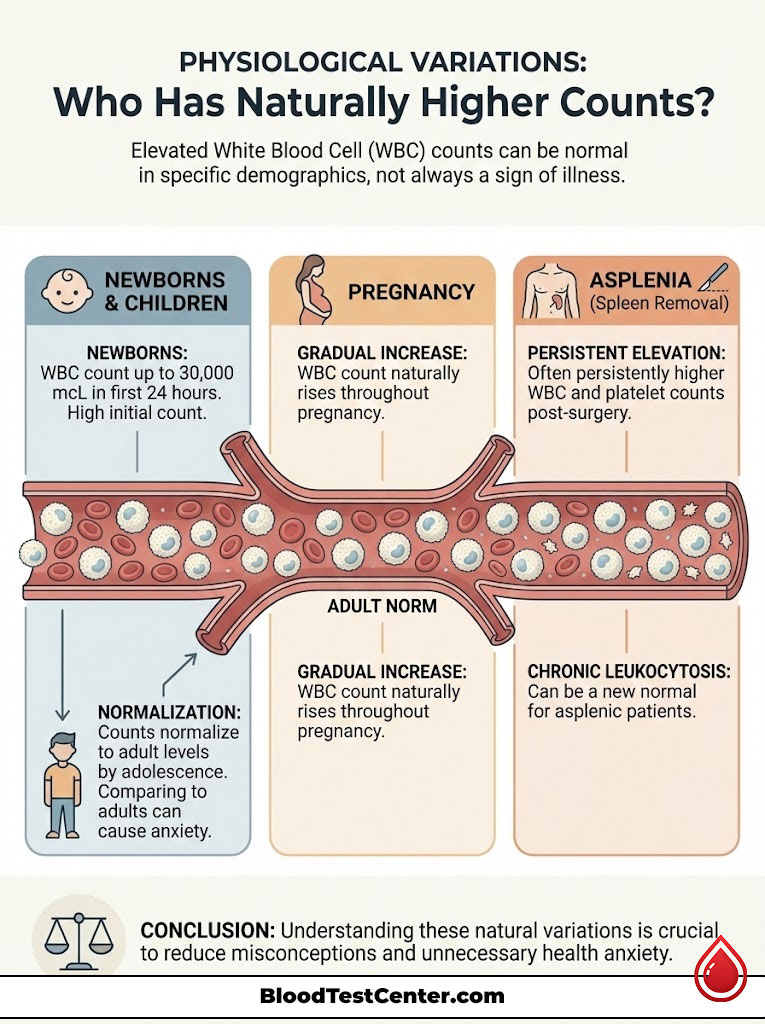
A high white blood cell count is not always pathological. In specific demographics, an elevated number is simply a variation of normal physiology.
High White Blood Cell Count During Pregnancy and Postpartum
Pregnancy places a tremendous physiological load on the human body. It is normal for the WBC count to rise gradually throughout gestation.
- Trimester Benchmarks: In the third trimester, a count of 12,000 to 13,000 mcL is widely considered normal due to the stress on the body.
- Labor and Delivery: During the physical stress of labor, counts can surge to 25,000 mcL. This is a natural immune system response to the trauma of birth and not necessarily a sign of infection, though doctors monitor it closely to rule out chorioamnionitis.
- Postpartum: Levels can remain elevated for several weeks after delivery as the body heals and recovers.
Pediatric and Infant Baseline Variations
Newborns and infants have much higher baselines than adults. A newborn may have a normal count as high as 30,000 mcL in the first 24 hours of life. As the child ages, the “normal” range gradually decreases to match adult levels by adolescence. Parents should never compare their child’s routine blood test results to adult reference ranges found online, as this leads to unnecessary anxiety.
Asplenia (Removal of Spleen) Considerations
The spleen acts as a filter for the blood. Individuals who have had their spleen removed, a procedure known as a splenectomy, often have persistently high white blood cell counts and platelet counts. Without the spleen to sequester and remove older cells, they circulate longer in the bloodstream. For these patients, chronic leukocytosis is their new normal baseline.
Serious Conditions: Malignancy and Bone Marrow Disorders
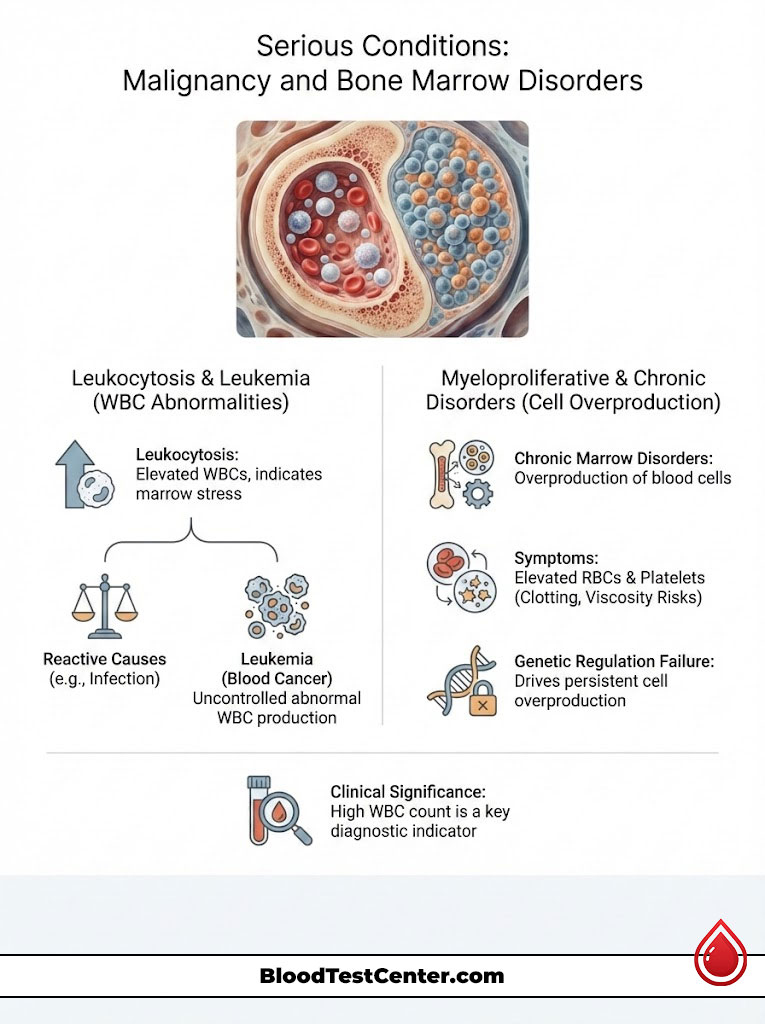
While less common than infections or lifestyle causes, leukocytosis can indicate that the bone marrow factory is broken or malfunctioning.
Distinguishing Leukemia from Reactive Causes
Leukemia is a cancer of the blood-forming tissues. It results in the uncontrolled production of abnormal white blood cells.
- Acute Leukemia: Characterized by a sudden onset and often very high counts of immature cells known as “blasts.” These cells crowd out healthy red blood cells and platelets.
- Chronic Leukemia (CLL/CML): These conditions may progress slowly. A patient might have a count of 50,000 mcL for months or years with no obvious symptoms before diagnosis.
- Key Difference: In reactive causes like infection, the cells are mature and functional. In leukemia, the cells are often immature, misshapen, and non-functional.
Understanding Myeloproliferative Disorders
Conditions like Polycythemia Vera or Essential Thrombocythemia involve the overproduction of blood cells. These are chronic bone marrow disorders where the genetic regulation of cell production fails. Patients often present with elevated red blood cells and platelets alongside a high white blood cell count.
Diagnostic Comparison: Benign vs. Concerning Causes
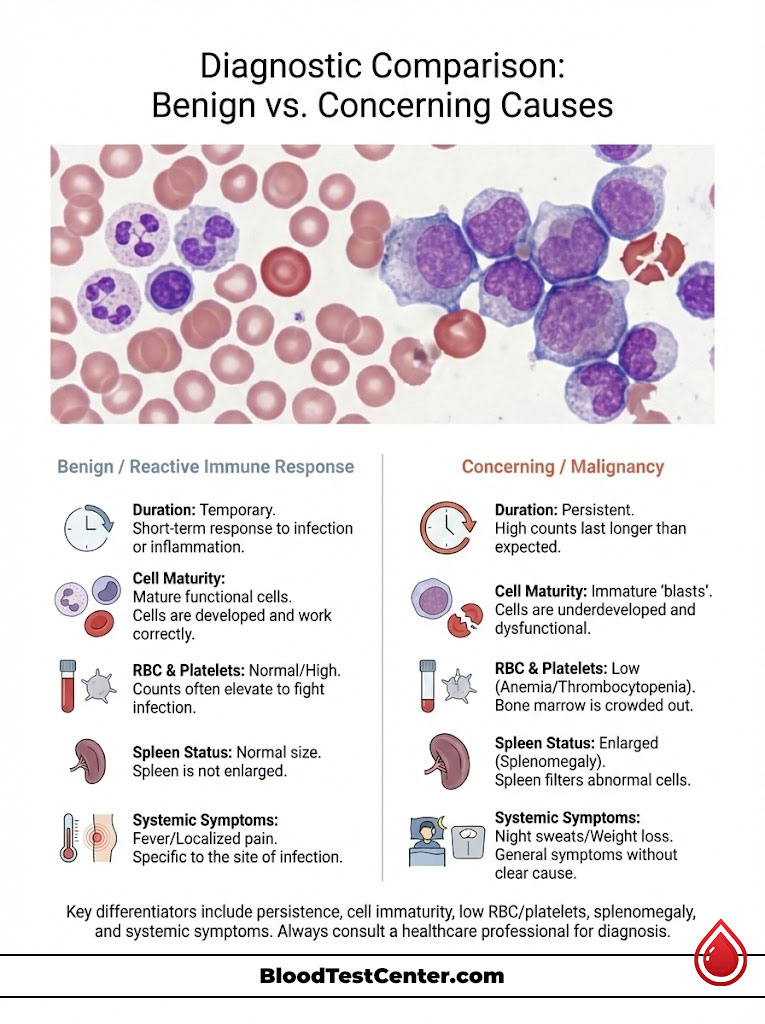
Distinguishing between a reactive immune system response and a malignant process is the primary job of a hematologist. The table below highlights the key differences doctors look for when evaluating a high count.
| Feature | Reactive Causes (Infection/Stress) | Malignant/Serious Causes (Leukemia) |
| Duration of High Count | Temporary (Resolves in days/weeks) | Persistent or worsens over time |
| Cell Maturity | Mostly mature, functional cells | Presence of immature “blasts” |
| Red Blood Cells (RBC) | Usually Normal | Often Low (Anemia) |
| Platelet Count | Normal or High (Reactive) | Often Low (Thrombocytopenia) |
| Spleen Status | Usually Normal size | Often Enlarged (Splenomegaly) |
| Systemic Symptoms | Fever, localized pain, cough | Night sweats, weight loss, easy bruising |
Next Steps: What Happens After a High Result?
So you have received a high white blood cell count notification. What is the standard medical protocol?
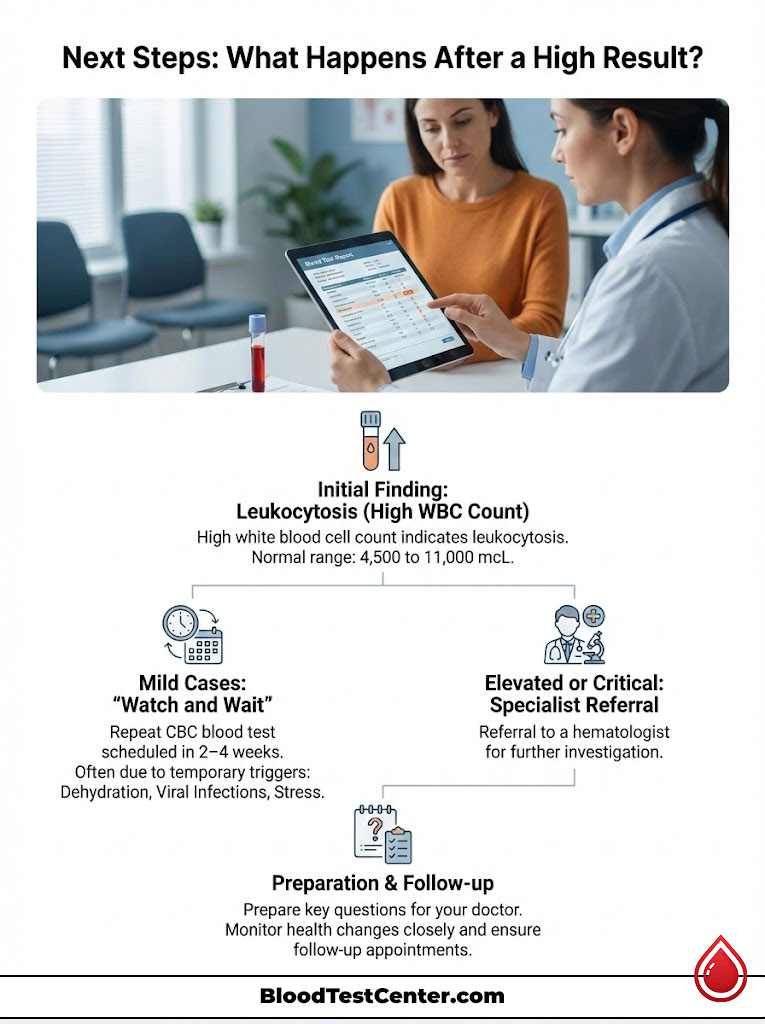
The “Watch and Wait” Retest Strategy
If your leukocytosis is mild (e.g., 12,500 mcL) and you have no symptoms, the standard of care is usually not immediate invasive testing. Your doctor will likely order a repeat CBC blood test in two to four weeks. This rules out temporary triggers like dehydration, minor viral bugs, or recent stress. In many cases, the levels return to the normal range of 4,500 to 11,000 mcL on the second draw.
Advanced Hematology Workups and Procedures
If the count remains elevated or is critically high, you will be referred to a hematologist.
- Peripheral Blood Smear: A pathologist looks at a drop of your blood under a microscope. They check for abnormal shapes or immature cells that automated machines might miss.
- Flow Cytometry: This advanced laser technology analyzes the physical and chemical characteristics of your cells. It is the gold standard for diagnosing leukemia and lymphoma.
- Bone Marrow Biopsy: If the blood tests are inconclusive, a sample of the solid bone marrow is taken, usually from the hip bone, to see exactly how cells are being produced and if there are genetic mutations present.
Key Questions to Ask Your Doctor
When discussing your results, bring this checklist to your appointment:
- Is the differential balanced, or is one specific cell type elevated?
- Could my current medications be affecting my count?
- Should I stop taking my allergy medication before the retest?
- Do you see any “left shift” or immature cells on the report?
Conclusion and Strategic Takeaways
A high white blood cell count is a common finding on a routine blood test, but it is rarely a reason for immediate panic. It is a sign that your immune system is working, not necessarily that it is failing.
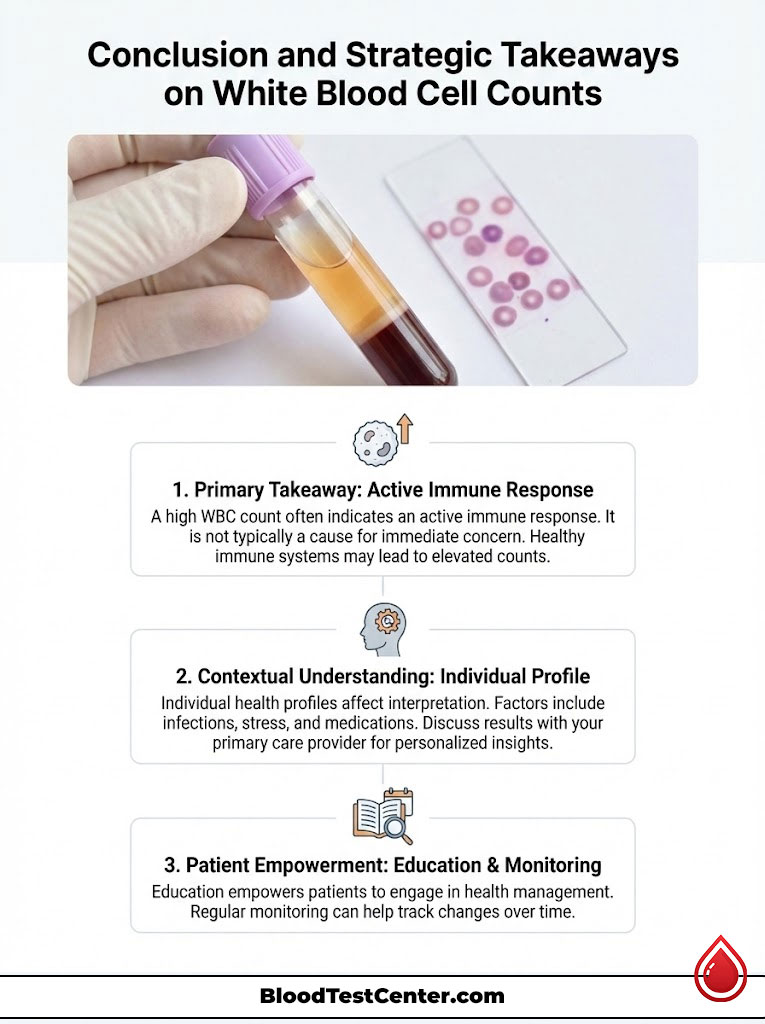
Remember these core takeaways:
- Context is King: A number like 13,000 mcL means something very different in a pregnant woman than it does in a male smoker.
- Check the Differential: Knowing if you have neutrophilia or lymphocytosis narrows down the cause from hundreds of possibilities to just a few specific ones.
- Trend over Time: A single high result is less concerning than a count that is steadily rising over months.
- Listen to Your Body: If you have night sweats, weight loss, or unexplained bruising alongside leukocytosis, advocate for a referral to a specialist.
Always discuss your results with your primary care provider to understand what your specific numbers mean for your unique health profile.
Frequently Asked Questions (FAQs)
What specific level of white blood cell count is considered alarming?
While any result above 11,000 mcL is considered high, doctors generally consider counts exceeding 30,000 mcL to be clinically significant. Counts over 50,000 to 100,000 mcL are considered critical and require immediate investigation for severe infection or leukemia.
Can emotional or physical stress alone cause a high white blood cell count?
Yes. “Stress leukocytosis” is a well-documented medical phenomenon. Severe emotional or physical stress causes white blood cells to detach from blood vessel walls and enter the bloodstream, potentially doubling your count temporarily.
Is a white blood cell count of 12,000 mcL considered high?
A count of 12,000 mcL is technically considered mild leukocytosis. However, in many contexts, such as in chronic smokers or during pregnancy, this may be considered a normal variant. It rarely indicates a serious emergency without other accompanying symptoms.
How can I lower my white blood cell count naturally?
If your levels are high due to inflammation or lifestyle, you can lower them by quitting smoking, reducing stress, managing weight, and treating underlying conditions like allergies. There is no specific food or supplement that directly lowers the count. You must address the root cause.
Does a high WBC count always mean I have cancer?
No. The vast majority of high white blood cell counts are due to infections, inflammation, medication, or stress. Only a small percentage of cases are diagnosed as blood cancers like leukemia.
Can dehydration affect my CBC blood test results?
Yes. Severe dehydration decreases the fluid volume in your blood plasma, which concentrates the cells. This “hemoconcentration” can make your WBC count appear falsely elevated. Rehydrating and retesting usually corrects this.
What is the difference between leukocytosis and neutrophilia?
Leukocytosis is the umbrella term for a high total white blood cell count. Neutrophilia is a specific type of leukocytosis where only the neutrophils are elevated. Since neutrophils make up the majority of WBCs, the terms are often linked.
What common medications cause high white blood cell counts?
Common culprits include corticosteroids like prednisone, epinephrine, lithium, and certain asthma medications. Always inform your doctor of all supplements and prescriptions before a blood draw.
How long does it take for WBC levels to return to normal after an infection?
It varies by severity, but typically, levels begin to fall as the infection clears. It may take two to four weeks for the count to return completely to the normal reference range after a significant bacterial infection.
What does a high white blood cell count during pregnancy mean?
It is often a normal physiological response. The stress of carrying a fetus causes the bone marrow to produce more cells. Counts can safely range up to 15,000 mcL in the third trimester without indicating illness.
Which doctor should I see for a persistent high white blood cell count?
You should start with your Primary Care Physician (PCP). If the elevation persists without a clear cause, or if the cells look abnormal, they will refer you to a hematologist, a doctor specializing in blood disorders.
Does fasting affect my white blood cell count results?
Generally, no. Fasting is required for glucose and lipid panels, but food intake has a minimal immediate effect on your WBC count. However, a very high-fat meal might slightly alter some blood parameters, so following lab instructions is always best.
Disclaimer: The content provided in this article is for educational purposes only and does not constitute medical advice, diagnosis, or treatment. Always seek the advice of your physician or other qualified health provider with any questions you may have regarding a medical condition or lab results. Never disregard professional medical advice or delay in seeking it because of something you have read online.
References:
- American Society of Hematology. “Blood Basics.” hematology.org
- Mayo Clinic Laboratories. “Interpretive Handbook: White Blood Cell Count.” mayocliniclabs.com
- Cleveland Clinic. “Leukocytosis (High White Blood Cell Count).” clevelandclinic.org
- National Institutes of Health (NIH). “Understanding Blood Counts.” nih.gov