How Often Should Adults Over 40 Get Routine Blood Work?

The rules of health change at 40. Discover how often should adults over 40 get routine blood work to catch silent risks before they become permanent conditions.

 Blood Test Center
The rules of health change at 40. Discover how often should adults over 40 get routine blood work to catch silent risks before they become permanent conditions.

Discover the Significance of Mean Corpuscular Volume (MCV) in your blood test. Learn how red blood cell size identifies the root cause of anemia and health issues.

Learn how do dehydration or hydration status affect blood test results. Discover why 70% of lab errors are pre-analytical and how to ensure your results are accurate.

Stop wasting time on repeat labs. Is it necessary to fast before a routine blood test? Get the expert rules on water, coffee, and the 8-12 hour fasting window.
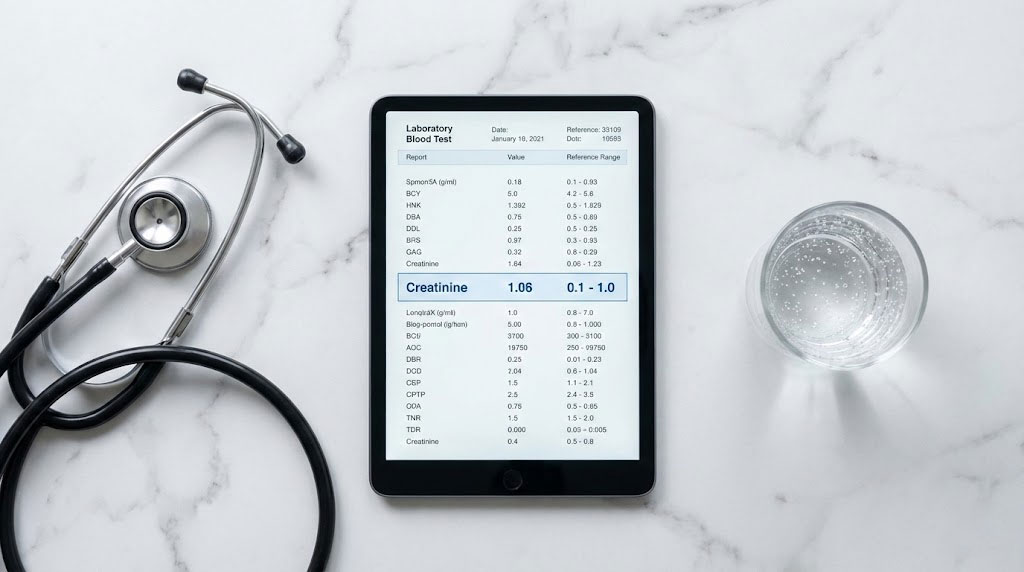
Understand your creatinine lab results. Learn normal ranges for men, women, and seniors, and why your eGFR is more important than the creatinine number alone.

Albumin is your body’s silent messenger. When levels drop, it’s a loud signal of an underlying crisis. Explore the nuanced story behind your lab results.

What does elevated ALT in a routine panel mean? Discover the top 4 causes, from fatty liver to medications, and understand when a high result requires medical action.
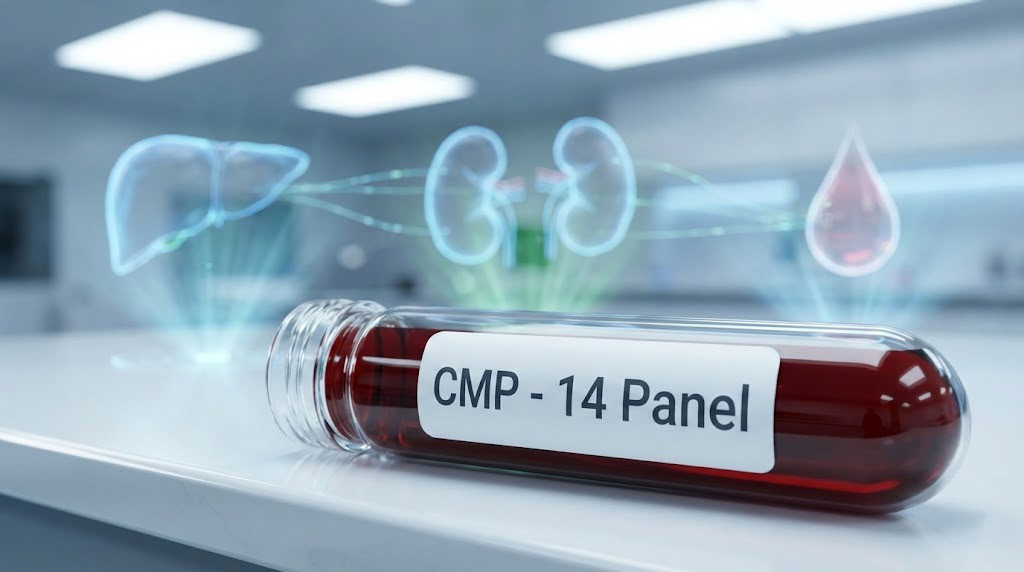
Don’t wait for symptoms. 90% of kidney disease is asymptomatic. Learn why the CMP is the gold standard solution for detecting silent killers like CKD and prediabetes.

Worried about unexplained bruising or fatigue? It could be your platelets. Learn the difference between thrombocytopenia and thrombocytosis, and find actionable steps to manage your blood health today.

Your white blood cell count tells a story, but your ANC determines your safety. Learn why this single number acts as the gatekeeper for your chemotherapy and immune defense.