
You sit on the crinkly paper of the exam table while your doctor listens to your heart and checks your reflexes. You feel fine. You have no pain. Your energy is decent. You believe your health is on track. Then the doctor hands you a slip for lab work. It is the standard checkout ritual of the annual physical. Among the codes on that paper, one stands out as the cornerstone of preventive medicine: the CMP.
Table of Contents
A routine Comprehensive Metabolic Panel (CMP) is recommended annually because it provides a critical 14-point baseline of your body’s chemical balance. It is the gold standard for early detection of silent conditions, specifically monitoring liver and kidney function, blood sugar levels, and electrolyte balance before symptoms arise.
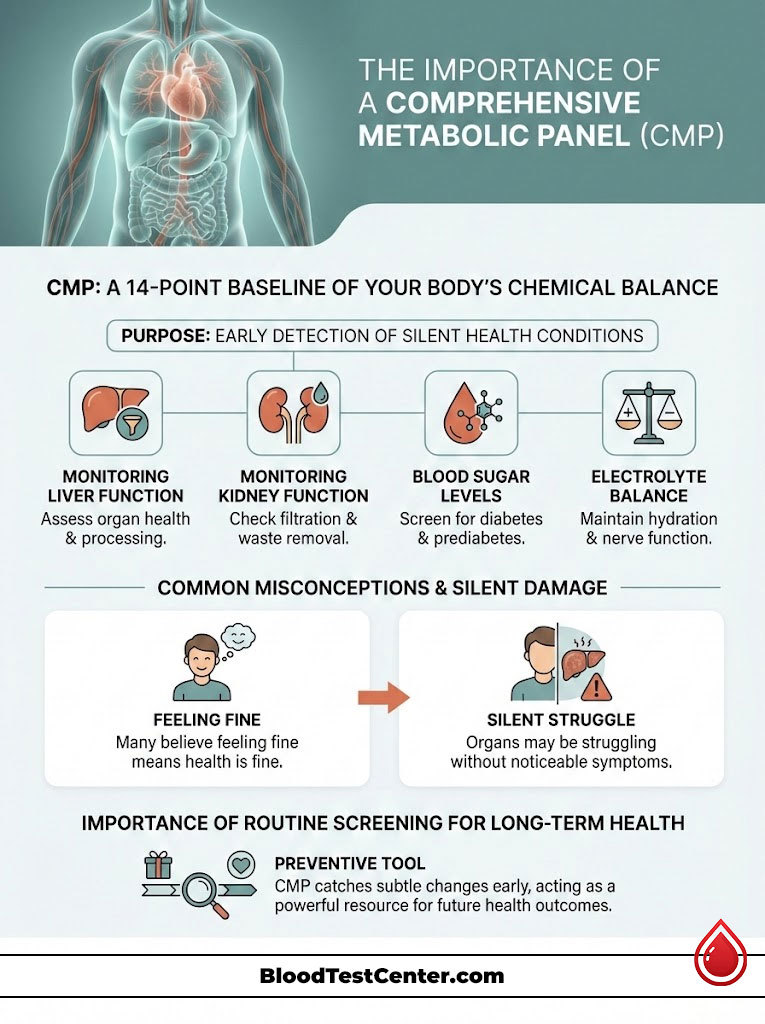
Most Americans view this blood test as a formality. They assume that if they do not feel sick then their blood work will be normal. This is a dangerous misconception. The human body is incredibly resilient. It can function near peak performance even while organs are struggling.
Your liver can sustain damage for years without causing pain. Your kidneys can lose significant filtration capacity before you notice a change in urination. A routine screening is not about confirming you are healthy today. It is about catching the subtle and silent drifts in your chemistry that predict where your health will be ten years from now. By the time symptoms appear, the window for prevention has often closed. This article explores why this specific panel is the most powerful tool in your preventive health arsenal.
Defining the Comprehensive Metabolic Panel and its 14 Critical Components
A Comprehensive Metabolic Panel, often abbreviated as CMP, is a broad chemistry screen performed on a small sample of blood plasma. It is distinct from a Complete Blood Count or CBC which looks at cells. The CMP looks at the fluid and the chemicals dissolved within it.
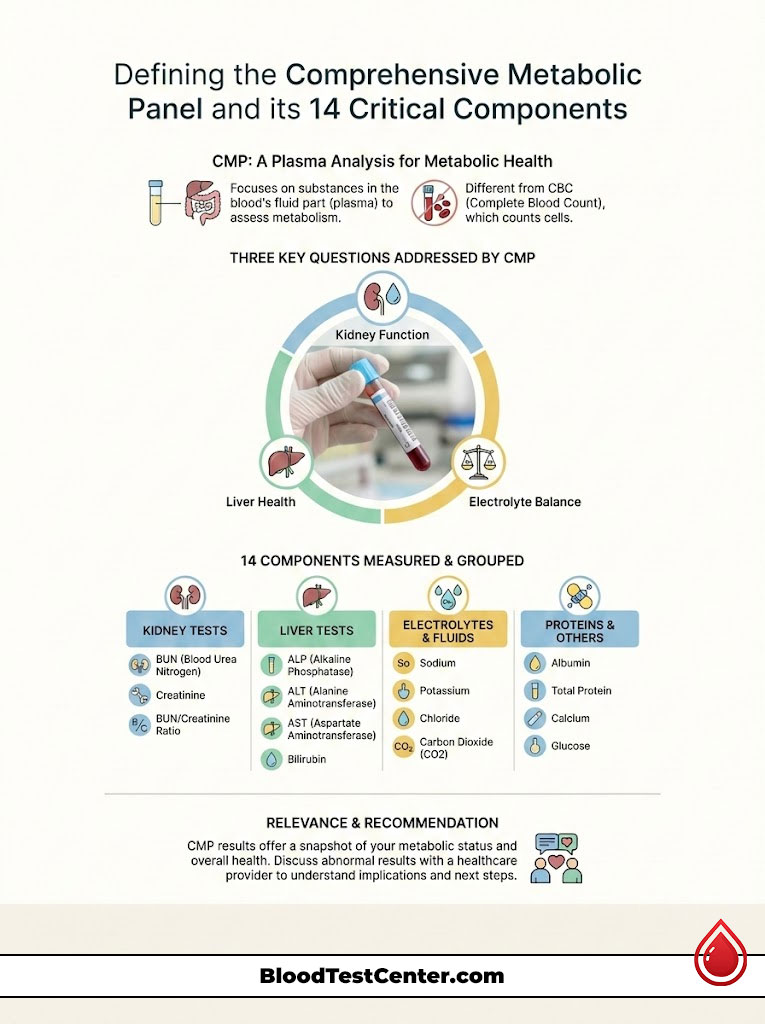
This single panel measures 14 specific substances. These 14 markers act as a status report for your body’s primary filtration systems and energy regulation. When a physician orders this blood test, they are effectively asking three questions. How well are the kidneys filtering waste? Is the liver functioning correctly? Are the electrolytes balanced for heart and nerve function?
The 14 components are generally grouped into four critical categories that define your metabolic health status.
- Kidney Function Markers: This includes Blood Urea Nitrogen (BUN) and Creatinine which tell us how well your body is removing toxins.
- Liver Function Enzymes and Proteins: This includes Alkaline Phosphatase (ALP), Alanine Aminotransferase (ALT), Aspartate Aminotransferase (AST), and Bilirubin.
- Fluids and Electrolytes Balance: This covers Sodium, Potassium, Carbon Dioxide, and Chloride which are essential for heart rhythm and hydration.
- Proteins and Metabolic Fuels: This measures Albumin, Total Protein, Calcium, and Glucose.
Comparing CMP vs BMP Blood Tests for Annual Preventive Screening
Patients often ask why they need the “Comprehensive” panel rather than the “Basic” one. The Basic Metabolic Panel (BMP) is a common alternative. It is cheaper and includes 8 of the 14 tests found in a CMP.
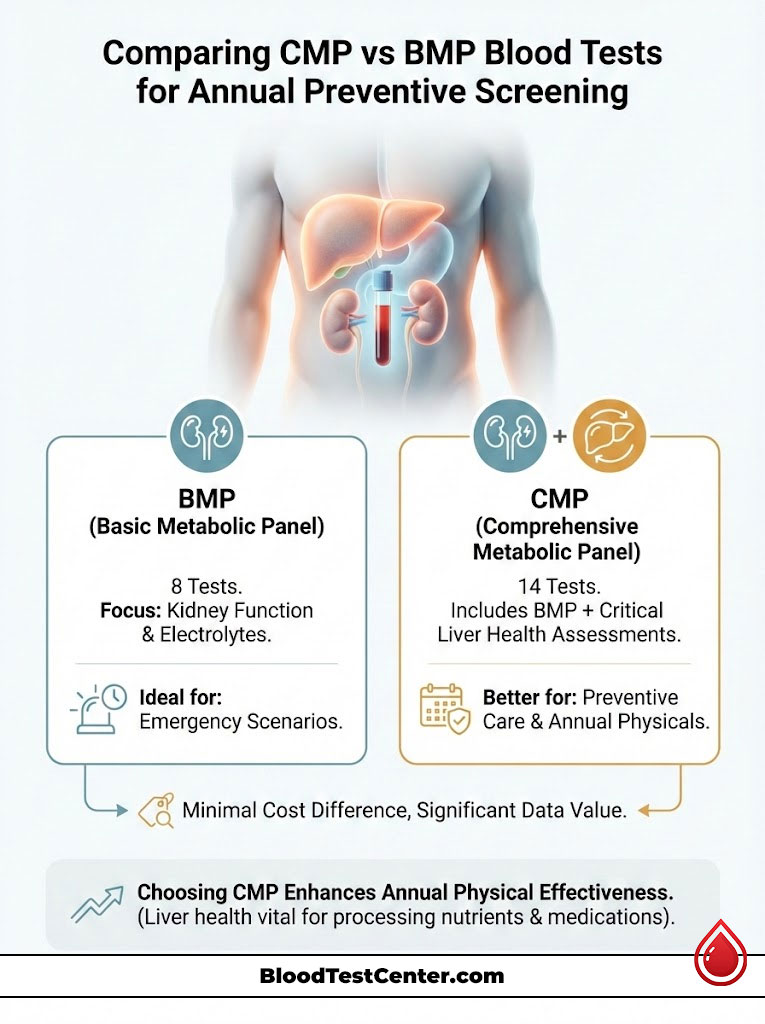
The BMP covers kidney function and electrolytes. It is excellent for emergency rooms or for monitoring patients with known kidney issues. However, the BMP creates a massive blind spot. It completely omits the liver. In the context of the United States healthcare landscape, where lifestyle factors significantly impact liver health, missing this data is a strategic error.
The liver is the workhorse of the metabolism. It processes everything we eat and every medication we take. In a country where medication usage and fatty liver disease are rising, skipping the liver check reduces the efficacy of the annual physical. The difference between BMP and CMP is often a matter of a few dollars in a hospital setting, but the value of the data is exponential.
Feature Comparison of Metabolic Panels
The following table breaks down exactly what you get with each panel to help clarify why the CMP is the preferred standard for an annual physical.
| Feature | Basic Metabolic Panel (BMP) | Comprehensive Metabolic Panel (CMP) |
| Total Tests Included | 8 Tests | 14 Tests |
| Kidney Health Screening | Included (BUN, Creatinine) | Included (BUN, Creatinine) |
| Electrolyte Balance | Included (Sodium, Potassium, etc.) | Included (Sodium, Potassium, etc.) |
| Fasting Blood Glucose | Included | Included |
| Liver Enzyme Analysis | ❌ Not Included | ✅ Included (ALP, ALT, AST) |
| Protein Status | ❌ Not Included | ✅ Included (Albumin, Total Protein) |
| Bilirubin Levels | ❌ Not Included | ✅ Included |
| Best Clinical Use Case | Emergency Room Triage | Annual Physical & Prevention |
The Role of Longitudinal Health Data in Preventive Medicine
In the United States, preventive healthcare is shifting away from treating sickness and toward maintaining wellness. The CMP blood test is the primary tool in this shift. By establishing a metabolic baseline, doctors can see trends.
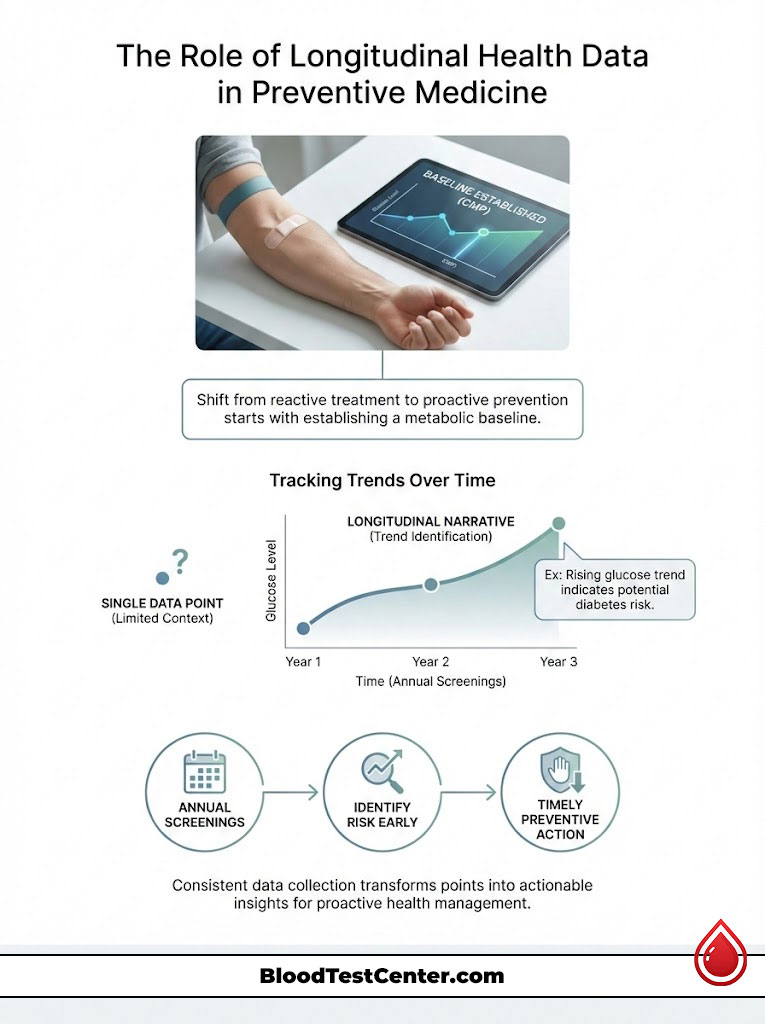
If your glucose is 85 mg/dL this year, 92 mg/dL next year, and 99 mg/dL the year after, you are technically still in the “normal” range. However, the trend line shows a rapid march toward diabetes. Only an annual routine screening can reveal this trajectory in time to stop it.
This concept is known as longitudinal data analysis. It turns a single data point into a story. Without the annual repeat of the test, there is no story. There is only a single snapshot which may lack context.
Detecting “Silent Killers” Through Routine Metabolic Screening
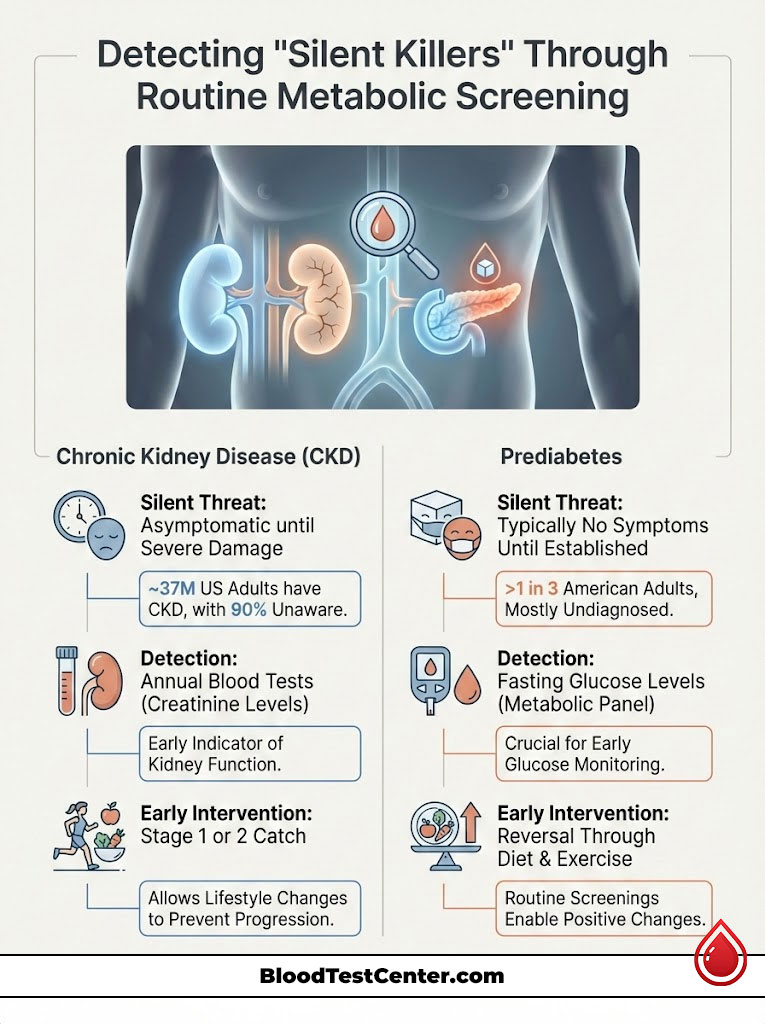
The strongest argument for an annual CMP is the prevalence of asymptomatic disease. We often wait for a warning sign like pain or fatigue before seeking help. Sadly, metabolic diseases rarely send warning signs until the damage is severe.
Identifying Undiagnosed Chronic Kidney Disease (CKD)
The Centers for Disease Control and Prevention (CDC) reports that roughly 37 million US adults have Chronic Kidney Disease. Shockingly, nearly 90% of them do not know they have it. The kidneys are stoic organs. They do not complain until they are failing.
A simple annual blood test checks Creatinine levels. This waste product from muscle breakdown is usually filtered out easily. If it begins to accumulate in the blood, it is an early red flag. Catching CKD in Stage 1 or 2 via a CMP allows for lifestyle changes that can halt progression. Waiting for symptoms usually means catching it at Stage 4 or 5 when dialysis becomes a discussion.
Early Intervention for Prediabetes and Insulin Resistance
More than 1 in 3 American adults has prediabetes. The vast majority are unaware. Prediabetes does not hurt. You cannot feel your blood sugar hovering at 110 mg/dL. The fasting glucose component of the Comprehensive Metabolic Panel is the only way to see this reality.
By the time a patient experiences symptoms of diabetes like excessive thirst or neuropathy, the condition is often fully established. Routine screening catches the issue when it is still reversible through diet and exercise.
Pillar 1: Monitoring Renal Function and Early Signs of Kidney Failure
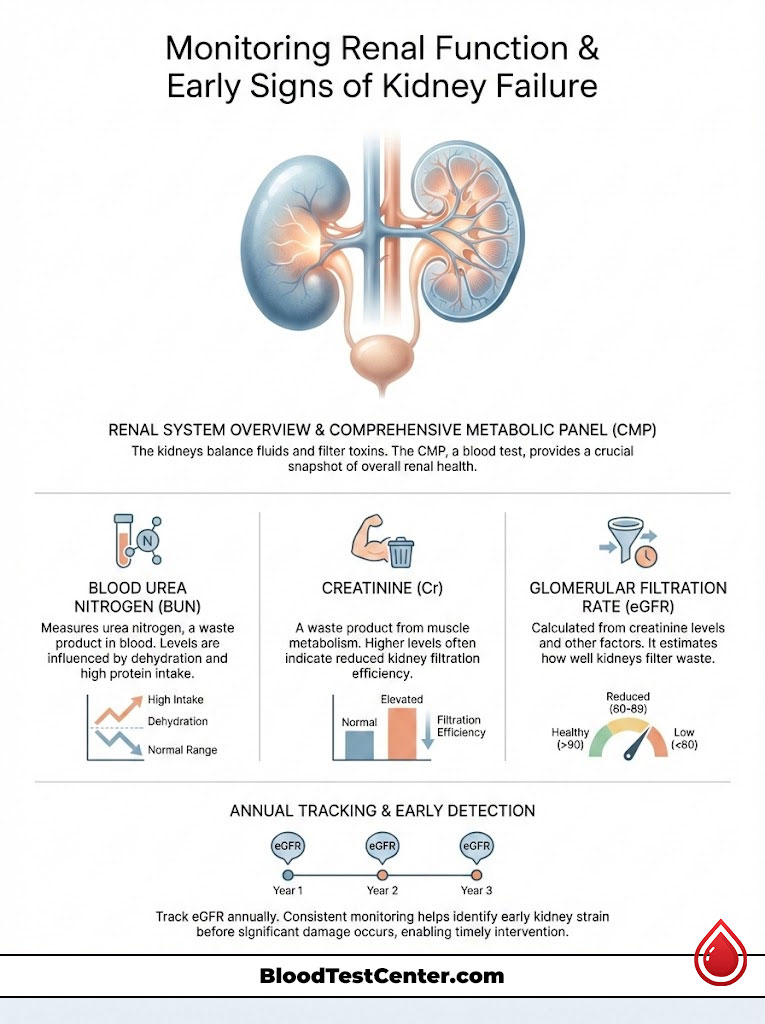
The renal system controls the fluid balance in your body and filters toxins. The CMP offers two primary windows into renal health which are essential for longevity.
Analyzing Blood Urea Nitrogen (BUN) Levels
Blood Urea Nitrogen (BUN) measures the nitrogen in your blood that comes from the waste product urea. Urea is made when protein is broken down in your body. If your kidneys are not filtering correctly, BUN levels rise.
However, BUN can also rise due to dehydration or high protein intake. This is why doctors look at Creatinine alongside it. If BUN is high but Creatinine is normal, you might just need to drink more water. If both are high, it signals a filtration problem.
Creatinine Levels and Glomerular Filtration Rate (eGFR)
Creatinine is a chemical waste molecule that is generated from muscle metabolism. It is produced at a fairly constant rate depending on your muscle mass. Because the production is stable, any rise in blood levels usually means the removal system (the kidneys) is slowing down.
Doctors use the Creatinine level from your CMP to calculate the Glomerular Filtration Rate (eGFR). The eGFR is not measured directly. It is a math equation based on your age, gender, and the Creatinine level. This number tells the doctor exactly how well your kidneys are cleaning your blood. A drop in eGFR is often the very first sign of kidney strain. By tracking this annually, you can spot a decline from 90 to 75. While 75 is still considered functional, the downward trend warrants investigation into blood pressure or medication side effects.
Pillar 2: Evaluating Hepatic Health Through Liver Enzyme Analysis
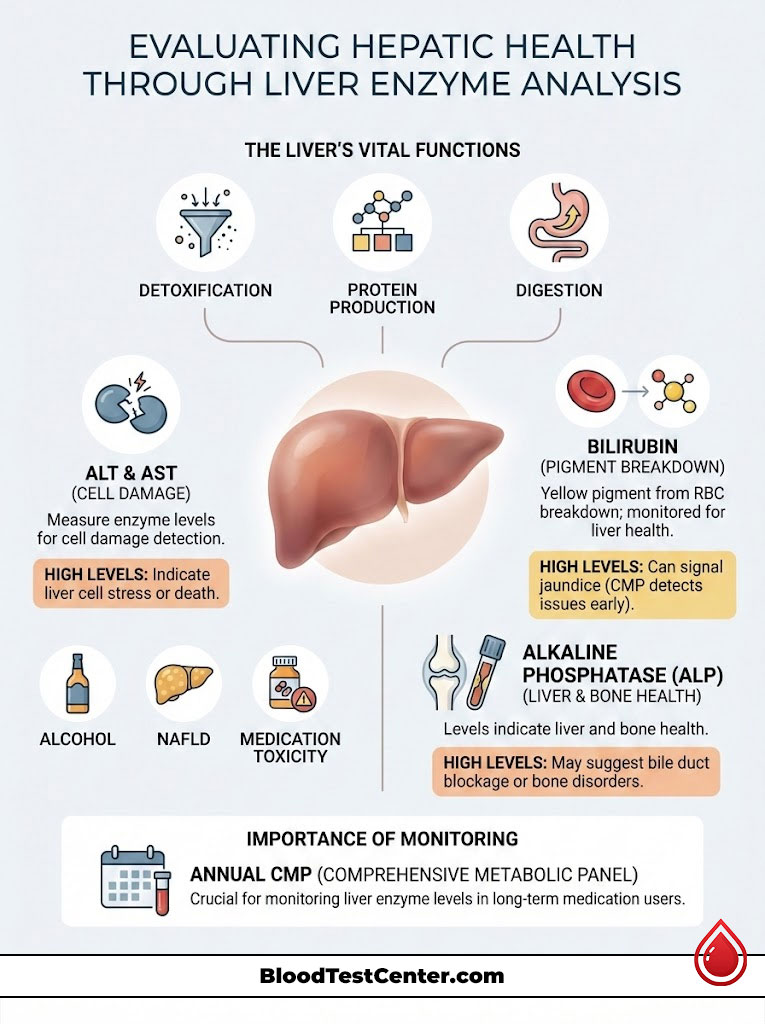
The liver is arguably the most complex organ in the metabolic system. It detoxifies blood, produces proteins, and aids digestion. The CMP includes a “Liver Panel” within it to monitor this organ.
Detecting Hepatocellular Damage via ALT and AST
The tests ALT (Alanine Aminotransferase) and AST (Aspartate Aminotransferase) measure enzymes that reside inside liver cells. When liver cells are damaged or inflamed, these enzymes leak out into the bloodstream.
Think of it like a cracked egg. The yolk is supposed to stay inside. If we find yolk on the outside, we know the shell is broken. High levels of ALT and AST indicate that liver cells are dying or under stress.
In the USA, the most common reasons for elevated liver enzymes on a routine screening are alcohol consumption, Non-Alcoholic Fatty Liver Disease (NAFLD), and medication toxicity. Many common drugs, including statins for cholesterol and Tylenol for pain, are processed by the liver. An annual CMP is mandatory for anyone on long-term medication to ensure the drugs are not causing “hepatotoxicity” or chemical-driven liver damage.
Understanding Bilirubin and Bile Duct Obstruction
Bilirubin is a yellowish pigment made during the normal breakdown of red blood cells. The liver passes it out of the body in bile. If your liver is damaged or your bile ducts are blocked, bilirubin builds up in the blood.
This accumulation leads to jaundice or yellowing of skin and eyes. However, a CMP detects slight elevations in bilirubin long before you turn yellow. This allows for early investigation into gallstones or liver dysfunction.
Alkaline Phosphatase (ALP) and Bone Health Correlations
Alkaline Phosphatase is an enzyme found in several parts of the body, but mostly in the liver and bones. High levels can indicate blocked bile ducts. Interestingly, because it is also found in bones, a high ALP can sometimes signal bone disorders or vitamin D deficiency. This dual-purpose marker makes it a valuable part of the annual screen.
Pillar 3: Electrolyte Balance and Hydration Status
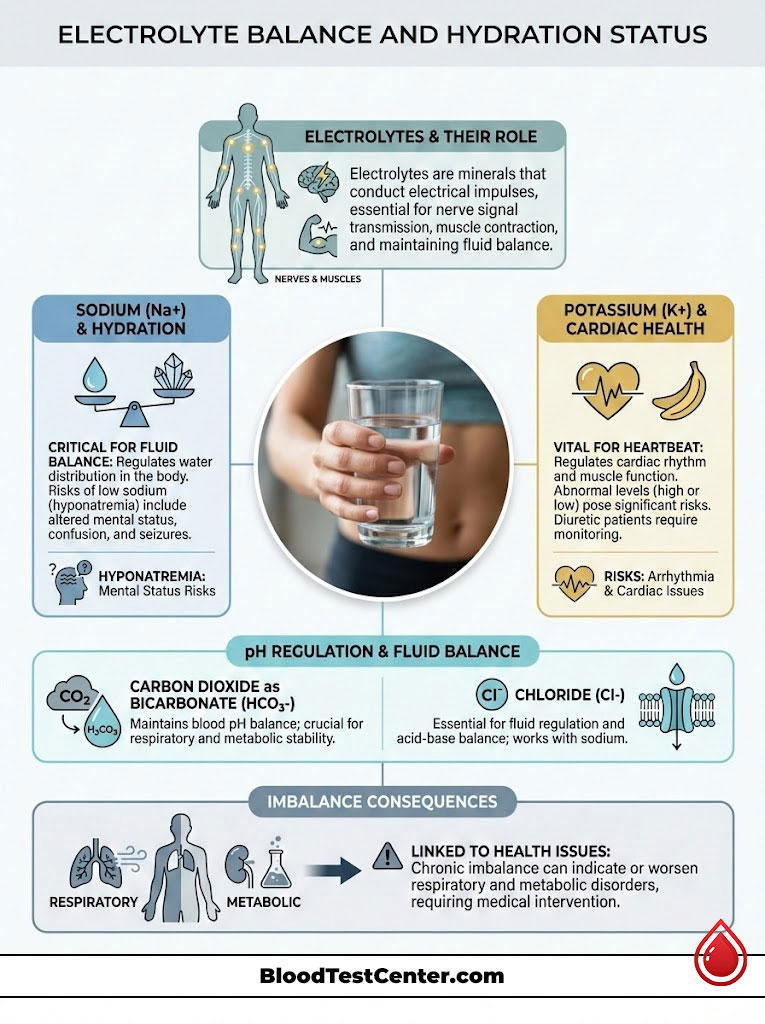
Electrolytes are minerals in your blood and other body fluids that carry an electric charge. They affect how your body functions in many ways. They control the amount of water in your body. They maintain the acidity of your blood (pH). They are critical for muscle function.
Sodium and Potassium Regulation for Cardiac Health
Sodium helps maintain fluid balance. Low sodium, known as hyponatremia, can cause confusion and fatigue. High sodium usually indicates dehydration.
Potassium is even more critical. It regulates the heartbeat. If potassium levels get too high or too low, it can cause dangerous heart arrhythmias. Patients taking diuretics for high blood pressure must monitor potassium closely via an annual CMP. A sudden spike in potassium can be a medical emergency that requires immediate intervention.
Carbon Dioxide and Chloride in pH Balance
Carbon Dioxide in the blood usually presents as bicarbonate. It acts as a buffer to keep your blood from becoming too acidic or too basic. Chloride works with the other electrolytes to regulate the amount of fluid in the body and maintain the acid-base balance. Abnormalities here often point to respiratory issues or metabolic disorders like uncontrolled diabetes.
Pillar 4: Assessing Metabolic Fuels and Protein Status
The “Metabolic” in Comprehensive Metabolic Panel largely refers to how your body handles sugar and energy. It also looks at the building blocks of your body which are proteins.
Fasting Glucose as a Prediabetes Screening Tool
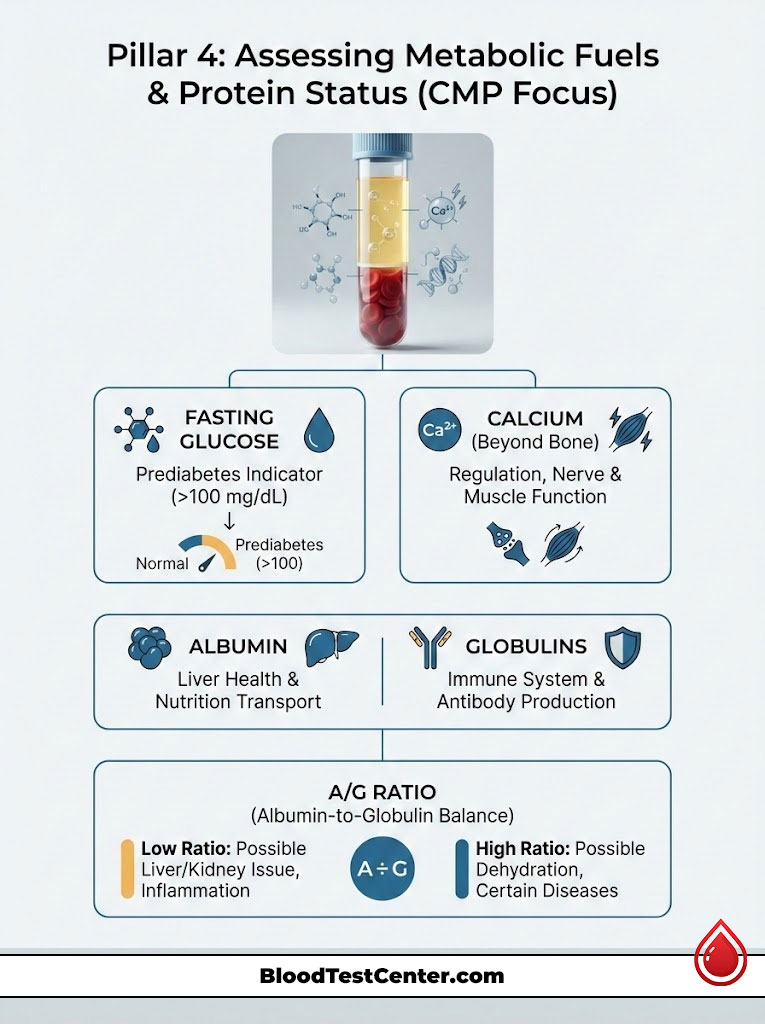
Glucose is the primary energy source for the body’s cells. The CMP measures your blood sugar at the exact moment of the draw. Because this is usually a fasting test, it shows your baseline level.
If your fasting glucose is consistently above 100 mg/dL, you have entered the realm of insulin resistance. This means your body is struggling to move sugar from the blood into the cells. This is the definition of prediabetes. Catching this early is the most effective way to prevent the progression to Type 2 Diabetes.
Calcium Levels Beyond Bone Density
Most people associate calcium with milk and bones. In a blood test, calcium is measured to check for parathyroid issues, kidney disease, or certain types of cancers.
Calcium is tightly regulated by the body. Even a slight deviation from the normal reference ranges is significant. It acts as a signaling mechanism for nerves and muscles. If calcium is off, the entire electrical system of the body can malfunction. High calcium, or hypercalcemia, is often one of the first signs of hyperparathyroidism.
Albumin and Globulin Ratio for Nutritional Status
The test also looks at proteins. Albumin keeps fluid in your blood vessels so it does not leak into tissues. It also carries hormones, vitamins, and enzymes throughout your body. Low albumin can be a sign of liver disease or poor nutrition.
Globulins are part of your immune system. The Albumin/Globulin (A/G) ratio serves as a rough check on your nutritional status and immune health. A low ratio can indicate autoimmune diseases or liver issues. A high ratio might suggest genetic conditions or leukemia.
Logistics: Preparation, Cost, and Accessibility in the USA
Understanding the logistics of the test removes barriers to getting it done. In the United States, the process is streamlined, but there are specific rules to follow regarding preparation and payment.

Fasting Requirements for Accurate Results
Does a CMP require fasting? Yes. To get an accurate read on glucose and to prevent clouding of the serum which can affect other tests, you should fast for 8 to 12 hours.
This means no food. It means no coffee with cream or sugar. However, water is permitted and actually encouraged. Being hydrated makes the blood draw easier for the phlebotomist. It also ensures your BUN levels are not artificially elevated due to dehydration.
Insurance Coverage and Medicare Guidelines
Under the Affordable Care Act (ACA), many preventive screenings are covered at 100% when performed by an in-network provider. This often includes the annual blood work ordered during a physical.
For seniors, Medicare Part B generally covers these screenings. If the test is ordered for a specific diagnostic reason, such as monitoring diabetes, it is also covered. However, patients should always verify with their provider to avoid surprise bills. The specific CPT code often used for billing this test is 80053.
Comparing Lab-Based Venous Draws vs At-Home Test Kits
In recent years, the landscape of lab testing has changed. Services like Quest Diagnostics and Labcorp now allow consumers to purchase a CMP out-of-pocket. Additionally, the rise of telemedicine has introduced at-home test kits.
The following table outlines the practical differences between going to a traditional lab versus using a modern home kit.
| Feature | Lab-Based Test (Quest/Labcorp) | At-Home Test Kit (Finger Prick) |
| Sample Collection Method | Venous Draw (Arm) | Capillary Blood (Finger Prick) |
| Data Accuracy Level | Gold Standard (High Accuracy) | Moderate (Subject to user error) |
| Turnaround Time for Results | 24–48 Hours | 3–5 Days (Mail-in time) |
| Professional Review | Usually reviewed by PCP | Sometimes reviewed by telemedicine MD |
| Insurance Coverage Eligibility | High Probability | Low (Often HSA/FSA only) |
| Approximate Out-of-Pocket Cost | 30–30–30– 50 | 70–70–70– 100 |
Interpreting Your Comprehensive Metabolic Panel Results
Receiving your lab report can be anxiety-inducing. You see a list of chemicals and a column of numbers. Some might be flagged in bold or red. Understanding how to read these flags is part of being an empowered patient.
Understanding Reference Ranges and Statistical Variance
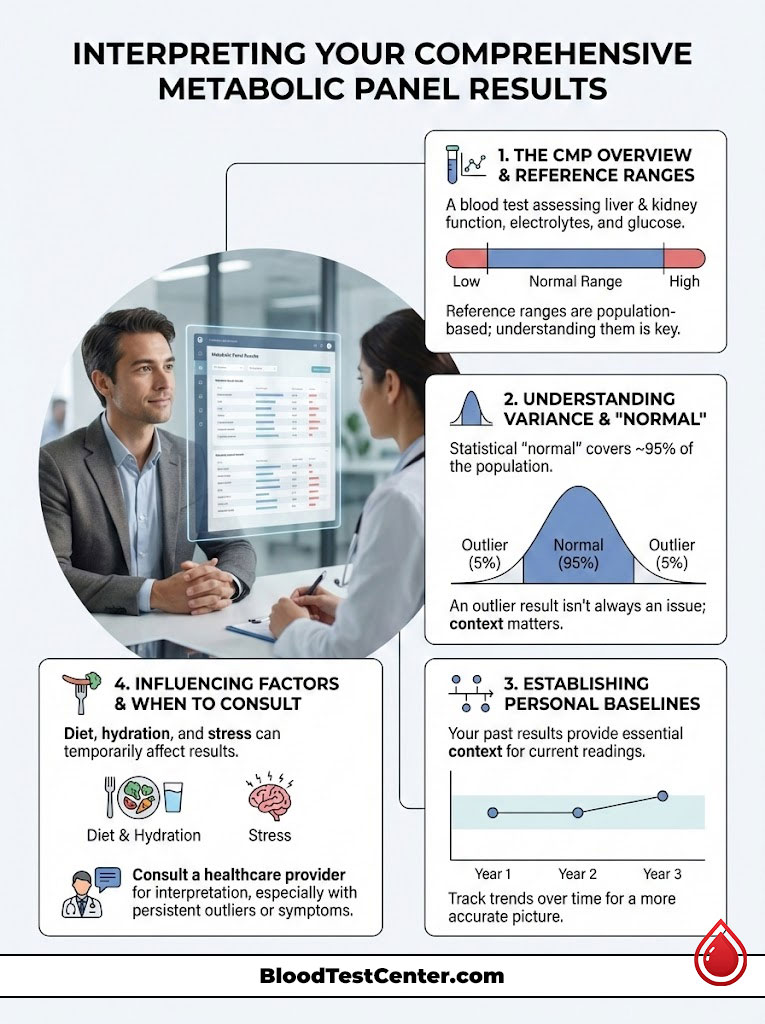
Reference ranges are determined by testing a large population of healthy people. The “normal” range represents the middle 95% of that population. This statistically means 5% of perfectly healthy people will fall slightly outside the range.
A result that is one point outside the normal reference ranges is rarely a cause for panic. It is often a statistical variance. It could be due to what you ate the night before or how stressed you were during the draw. However, a result that is double the upper limit is a clear signal of disease.
The Importance of Baselines in Interpretation
This brings us back to the importance of the annual routine screening. If your ALT liver enzyme is usually 20, and this year it is 45, that is a significant jump. This is true even if 45 is technically near the cutoff of “normal.”
Without the data from previous years, your doctor might look at the 45 and say it is fine. With the baseline data, they can see inflammation is brewing. This longitudinal data is the true power of the CMP. It gives context to the numbers.
Summary & Key Takeaways
The Comprehensive Metabolic Panel is more than just a hurdle to jump over during your annual exam. It is a sophisticated surveillance system for your internal health. It provides a voice to organs that cannot speak for themselves.
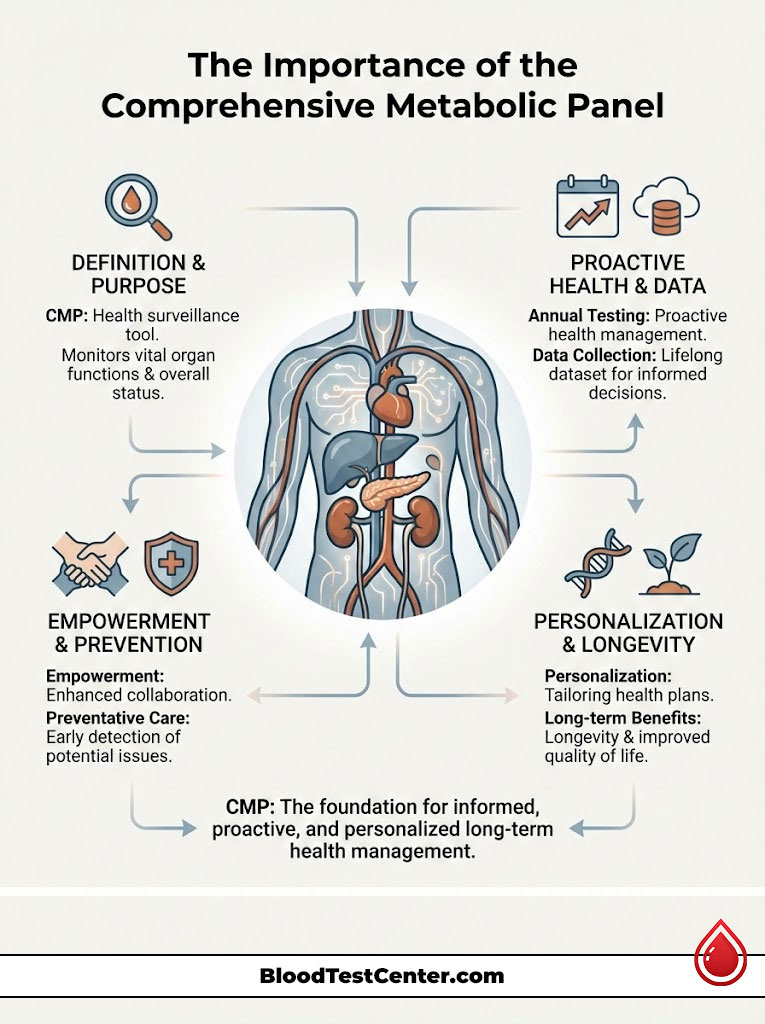
- Holistic Health View: It covers 14 distinct markers across Kidney, Liver, Electrolyte, and Diabetic health.
- Early Disease Detection: It is the primary tool for spotting “silent killers” like Kidney Disease and Prediabetes before they cause irreversible harm.
- Medication Safety Net: It ensures that your daily medications are not silently damaging your organs.
- Empowerment Through Data: It builds a longitudinal record of your health, allowing you to spot trends rather than just reacting to emergencies.
By prioritizing this blood test every year, you are not just checking a box. You are building a lifelong dataset that empowers you and your doctor to make smarter and proactive decisions about your longevity.
Frequently Asked Questions (FAQs)
What is the main difference between a BMP and a CMP?
A BMP or Basic Metabolic Panel includes 8 tests focusing on kidneys and electrolytes. A CMP includes those same tests plus 6 additional tests for liver function and proteins. The CMP provides a more complete picture of your overall organ health and is preferred for annual physicals.
Do I need to fast before a CMP blood test?
Yes, fasting for 8 to 12 hours is typically required. Food and sugary drinks can spike your blood glucose, leading to inaccurate results. Fasting ensures your doctor sees your true baseline metabolic state without the interference of your last meal.
How long does it take to get CMP results back?
In the USA, most major laboratories like Quest Diagnostics or Labcorp return results to your physician within 24 to 48 hours. If the test is done in a hospital setting for an urgent matter, results can be available in under an hour.
Can a CMP detect cancer?
A CMP is not a dedicated cancer screening tool. However, it can provide clues. Extremely high calcium levels or abnormal liver enzymes can sometimes be secondary signs of malignancy that prompt a doctor to order further imaging or testing.
What does it mean if my ALT is high on a CMP?
Elevated ALT or Alanine Aminotransferase usually indicates liver inflammation or damage. Common causes include fatty liver disease, alcohol consumption, or medication side effects. It requires follow-up to determine the root cause.
Is the CMP covered by Medicare?
Yes, Medicare Part B typically covers a CMP as part of an annual wellness visit or if it is ordered to monitor a specific chronic condition like high blood pressure or diabetes.
What symptoms would lead a doctor to order a CMP?
Aside from routine physicals, doctors order CMPs for symptoms like unexplained fatigue, jaundice, fluid retention or edema, abdominal pain, or confusion. It is often the first test ordered when a diagnosis is unclear.
Can dehydration affect my CMP results?
Yes, dehydration significantly impacts the results. It can cause false elevations in electrolyte levels like sodium and kidney markers like BUN. This can make it look like your kidneys are struggling when they are actually just thirsty.
Why is calcium included in a metabolic panel?
Calcium is vital for muscle contraction, nerve signaling, and heart function. Abnormal levels in the blood can indicate issues with the parathyroid glands, kidney disease, or bone health problems.
Does a CMP test for cholesterol?
No, a CMP does not measure cholesterol or triglycerides. You need a separate test called a Lipid Panel for that. However, the two tests are often drawn together during an annual physical to give a complete picture of heart and metabolic health.
What is the Albumin/Globulin (A/G) ratio?
This ratio compares the amount of albumin to globulin in your blood. It helps doctors assess your nutritional status and can indicate liver disease, kidney disease, or autoimmune disorders if the balance is off.
Can I order a CMP test without a doctor’s referral?
In many US states, Direct Access Testing is legal. Services like QuestDirect allow consumers to purchase a CMP online and go to a lab center for the draw without a prior doctor’s visit, though a physician reviews the results remotely.
References
- Centers for Disease Control and Prevention (CDC). “Chronic Kidney Disease in the United States.” CDC.gov.
- National Institute of Diabetes and Digestive and Kidney Diseases (NIDDK). “Prediabetes: Your Chance to Prevent Type 2 Diabetes.” NIH.gov.
- American Association for Clinical Chemistry (AACC). “Comprehensive Metabolic Panel (CMP).” LabTestsOnline.org.
- U.S. National Library of Medicine. “Liver Function Tests.” MedlinePlus.gov.